
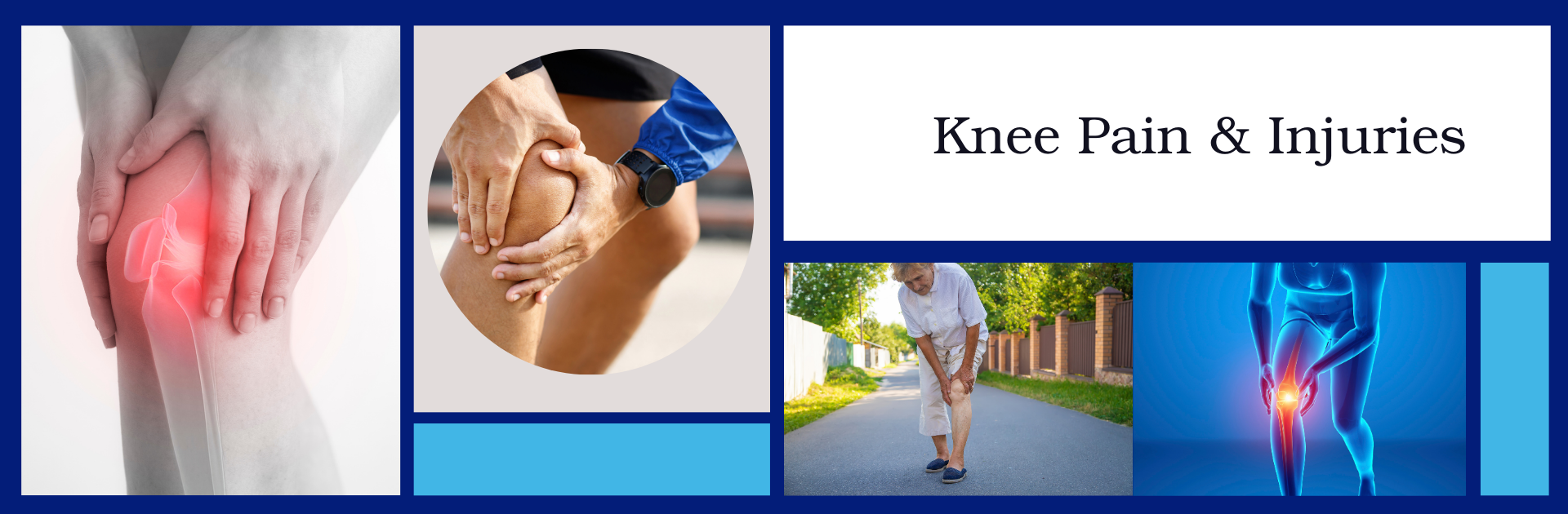
Knee Pain & Injuries
Breaking the Cycle of Knee Pain – How Physical Therapy Can Help
Knee pain is one of the most common musculoskeletal problems that brings people to their GP or therapist. Whether it’s the result of an injury, arthritis, or long-term wear and tear, knee pain can quickly disrupt your life. It affects people of all ages and can range from a mild ache to debilitating pain.
But what causes it — and, more importantly, how can you manage it effectively? Let’s take a closer look.
What Causes Knee Pain?
Knee pain can stem from many sources. You might have sustained an injury during sport, an accident, or even everyday movement. Conditions such as arthritis, gout, or infection can also be contributing factors.
No matter the cause, one thing is common: inflammation.
Inflammation is your body’s natural response to injury. When your knee is damaged, inflammatory substances flood the area to promote healing. In the short term, this is beneficial — but if the inflammation lingers or the injury doesn’t fully heal, it can become chronic.
Chronic inflammation means your knee stays irritated, causing ongoing pain and further tissue damage. Over time, this leads to a painful cycle that can be difficult to break without intervention.
The Inflammatory Cycle – Why It Matters
When inflammation becomes chronic, it can turn a short-term injury into a long-term condition. Ongoing pain and instability make it harder for the knee to heal naturally, which increases your risk of further injury.
The key to breaking this cycle is to control inflammation and support the body’s ability to repair itself.
Many people start with home care using the PRICE method — Protection, Rest, Ice, Compression, and Elevation — alongside over-the-counter anti-inflammatory medication. These can be effective for minor injuries and may bring relief within a week.
When to See a Doctor or Physical Therapist
If knee pain persists for more than a week, or if it interferes with daily activities, it’s time to seek professional advice. A good rule of thumb: if your knee isn’t improving with rest and self-care, don’t ignore it.
A physiotherapist or sports therapist can assess your movement, identify the underlying cause, and develop a personalised rehabilitation plan to help you recover safely.
How Physical Therapy Can Help
Physical therapy is one of the most effective, evidence-based approaches to managing knee pain and preventing recurrence. Here’s how it helps:
💪 Strengthening Muscles
Targeted exercises build strength in the muscles that support your knee — particularly your quadriceps and hamstrings. This reduces strain on the joint, eases pain, and improves stability.
🧘 Improving Flexibility
Knee pain often leads to stiffness and limited movement. Stretching and mobility exercises prescribed by your therapist help restore flexibility and maintain joint health.
🏃 Correcting Movement Patterns
Poor biomechanics or posture can overload the knee. A therapist can identify and correct these movement patterns, improving efficiency and reducing future injury risk.
🔥 Reducing Inflammation
Gentle, controlled exercises and manual therapy techniques help reduce inflammation and promote circulation. Laser therapy is another effective, painless method that can accelerate healing and decrease inflammation in the joint.
🩺 Avoiding Surgery
In many cases, physical therapy can prevent the need for invasive procedures. Through non-surgical strengthening and rehabilitation, your body gains the support it needs to recover naturally.
When in Doubt – Get Checked Out
While many knee issues respond well to physiotherapy and self-care, it’s always wise to seek professional advice if you experience severe pain, swelling, or difficulty bearing weight. These may indicate a more serious injury that needs medical attention.
The Takeaway
Knee pain is common, but it doesn’t have to control your life. By understanding and interrupting the inflammatory cycle — and taking proactive steps to strengthen and protect your joints — you can stay mobile, confident, and pain-free.
If your knee pain persists or keeps returning, physical therapy can help you recover safely and effectively, restoring movement and getting you back to the activities you love.
👉 Don’t let knee pain hold you back — book a consultation today and take the first step towards lasting relief.